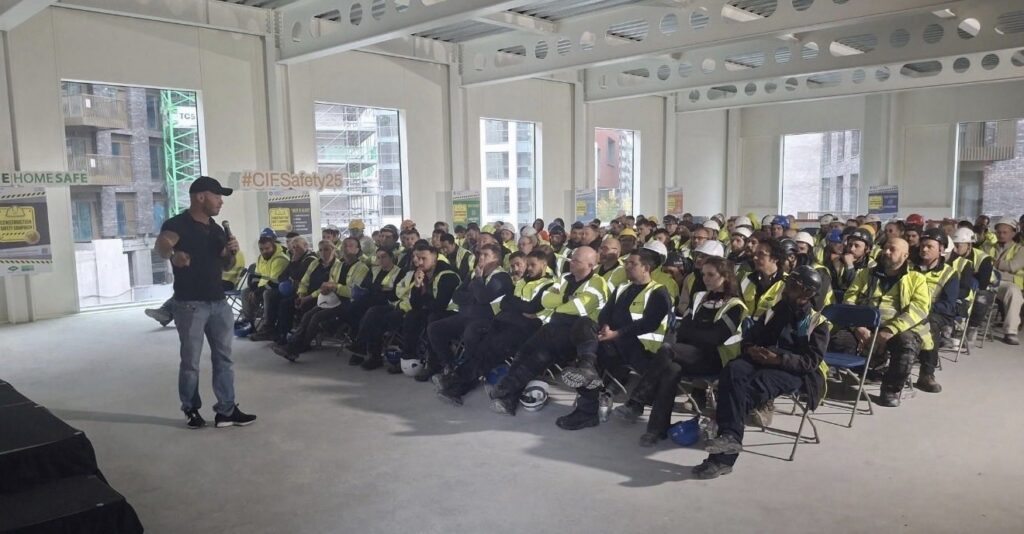
Every morning, millions of people across the UK leave home expecting to return safely. Yet every workplace accident, near miss, or mental health struggle reminds us that safety isn’t just about PPE, procedures and paperwork—it’s about people.
I know this because I lived it.
After spending over 20 years working in construction, I was involved in a near-fatal workplace accident during a hydrostatic pressure test. In a split second, my life changed forever. The physical injuries healed, but the psychological impact lasted much longer.
I experienced PTSD, anxiety and depression, and for years I struggled to understand why.
Today, I share that experience with organisations across the UK to help create safer workplaces where people feel confident to speak up, look out for one another and go home safe—both physically and mentally.
Why Safety Culture Matters
Many organisations have excellent safety systems, but culture is what determines whether those systems work.
A positive workplace safety culture encourages people to:
- Report near misses.
- Challenge unsafe behaviours.
- Stop unsafe work.
- Support colleagues.
- Prioritise wellbeing.
- Learn from incidents instead of blaming individuals.
Safety isn’t created by policies alone. It’s created by people making the right decisions every day.
Mental Health Is a Workplace Safety Issue
Mental health and safety go hand in hand.
Stress, fatigue, anxiety and poor mental wellbeing can all affect:
- Decision making.
- Concentration.
- Communication.
- Risk awareness.
- Productivity.
- Teamwork.
When organisations invest in workplace mental health, they don’t just improve wellbeing—they also improve safety performance.
Psychological Safety Saves Lives
One of the biggest lessons I’ve learned is the importance of psychological safety.
Employees need to feel safe to say:
- “I’m struggling.”
- “Something doesn’t feel right.”
- “I don’t understand this task.”
- “This isn’t safe.”
Creating an environment where people feel heard can prevent accidents before they happen.
Lessons From My Story
My keynote talks aren’t designed to shock people.
They’re designed to make people think.
I help teams understand:
- Why shortcuts happen.
- How human behaviour influences safety.
- The hidden impact of workplace trauma.
- The connection between leadership and wellbeing.
- How communication can prevent incidents.
- Why every near miss is an opportunity to learn.
When people connect emotionally with safety, behaviour begins to change.
Keynote Speaker for Workplace Safety and Mental Health
I work with organisations across:
- Construction
- Civil Engineering
- Utilities
- Manufacturing
- Rail
- Energy
- Warehousing
- Logistics
- Engineering
Whether I’m speaking to frontline workers, supervisors or senior leaders, my goal is always the same:
Help people go home safe. Every single day.
Why Organisations Book Me
My talks combine:
- Real lived experience.
- Practical workplace safety lessons.
- Mental health awareness.
- Behavioural safety.
- Leadership development.
- Human performance.
- Safety culture improvement.
People don’t remember statistics.
They remember stories.
Stories change behaviour.
Behaviour changes culture.
Culture saves lives.
Looking for a Workplace Safety Speaker in the UK?
If your organisation wants to improve:
- Workplace safety culture
- Mental health awareness
- Behavioural safety
- Psychological safety
- Leadership
- Employee wellbeing
- Near miss reporting
- Safety engagement
- Human performance
- Safety communication
I’d love to help.
Together, we can create workplaces where everyone feels safe to speak up, support each other and return home safely.
About Steven Kirby
Steven Kirby is a UK Workplace Safety and Mental Wellbeing Speaker, Corporate Wellbeing Coach, and Behavioural Safety Keynote Speaker. Drawing on his own experience of surviving a life-changing workplace accident and overcoming PTSD, anxiety and depression, Steven helps organisations build stronger safety cultures, improve psychological safety and create healthier, more engaged workforces.