The moment that should have ended my life
There are days that split your life into before and after.
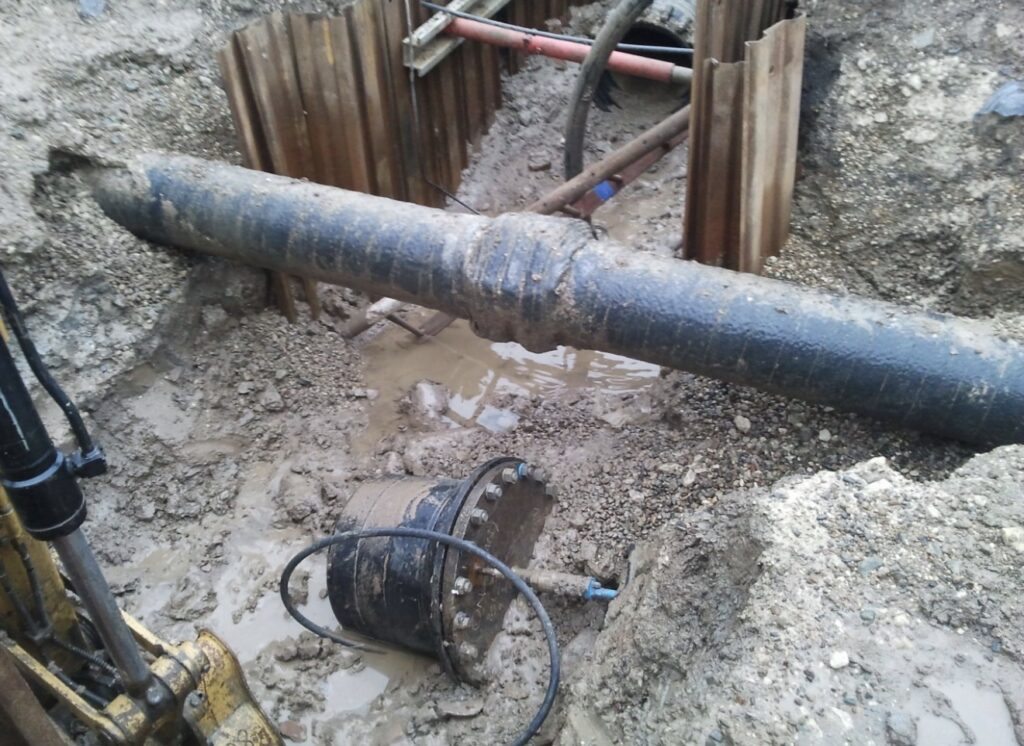
For me, that moment happened in a muddy trench, standing in front of a 600mm pipe charged to 18 bar of pressure.
The pipe wasn’t level, which meant trapped air had built up inside — silently, invisibly, dangerously.
When the spigot end blew, it didn’t simply fail.
It erupted.
The blast was so violent it moved the arm of my excavator — a machine weighing several tonnes.
And I was stood directly in front of it.
Incidents like this don’t usually end in survival.
But I survived.
And that truth has shaped every part of my life since.
What survival really feels like
People often talk about near‑misses as “lucky escapes”.
But when you’re the one standing in the blast zone, luck feels different.
It feels like shock.
It feels like silence.
It feels like your brain trying to understand why you’re still here.
It feels like the weight of everything that could have happened — and didn’t.
Surviving something that should have killed you changes how you see work, people, leadership, and culture.
It forces you to confront the reality that many workers live with unspoken fear, pressure, and expectations that stop them from speaking up.
It makes you realise how thin the line is between a routine job and a life‑changing moment.
Why I became a safety and mental health speaker
I don’t speak because it’s a career.
I speak because I’ve lived the consequences of silence, assumptions, rushed decisions, and cultural blind spots.
I’ve felt the physical impact of a catastrophic failure.
I’ve carried the psychological impact long after the mud washed off.
I’ve rebuilt my life from the ground I nearly died on.
And that’s why my work now focuses on:
- safety culture transformation
- psychological safety
- mental wellbeing in high‑risk environments
- post‑incident recovery
- leadership communication
Because safety isn’t paperwork.
It isn’t box‑ticking.
It isn’t “we’ve always done it this way”.
Safety is people.
Safety is families.
Safety is futures.
Safety is the conversations that never happen — but should.
The emotional aftermath no one talks about
Surviving a major incident doesn’t end when the site is cleared.
It follows you home.
It sits with you in the quiet moments.
It changes how you think, how you work, and how you connect with others.
Many workers who experience traumatic incidents never speak about the emotional impact.
They fear judgement, weakness, or being seen as “not coping”.
This silence is one of the biggest cultural risks in high‑pressure industries.
As a safety and mental health speaker, I bring that silence into the open — not to dramatise, but to humanise.
To show leaders what they miss.
To give teams the language they need.
To help organisations move from compliance to genuine care.
Luck is not a safety strategy
I’m here today because of luck.
And luck is not a safety strategy.
If your organisation wants to build a culture where people feel safe to:
- speak up
- slow down
- challenge decisions
- stop the job
- protect each other
— that’s the work I do now.
Real stories.
Real impact.
Real change.
If you want to strengthen your organisation’s safety and wellbeing culture
I deliver keynote talks, workshops, and post‑incident support that help teams understand:
- the human impact of incidents
- the emotional reality behind silence
- the cultural gaps that create risk
- the leadership behaviours that save lives
- the conversations that prevent the next accident
If you want a session that shifts mindsets and sparks honest communication, let’s talk.