
In high-pressure environments, particularly within construction, engineering and infrastructure, physical safety measures are rightly prioritised. Yet one critical element is still too often overlooked: psychological safety.
Psychological safety is the shared belief that a team is safe for interpersonal risk-taking. It means people feel able to speak up, ask questions, admit uncertainty or challenge a decision without fear of embarrassment, rejection or negative consequences.
Without it, even the strongest safety systems can fail.
When individuals hesitate to raise concerns, small issues can escalate. Near-misses go unreported. Stress remains unspoken. Mental health struggles stay hidden until they become crises. The result is not only increased risk of incidents, but also reduced engagement, higher turnover and a culture in which people feel isolated rather than supported.
My own experience taught me this lesson in the most direct way possible. Surviving a life-changing workplace accident in 2011 revealed how silence—whether driven by time pressure, hierarchy or cultural expectation—can prove costly. Recovery was not solely physical. Rebuilding confidence, identity and trust required honest conversations and environments where vulnerability was met with understanding rather than judgement.
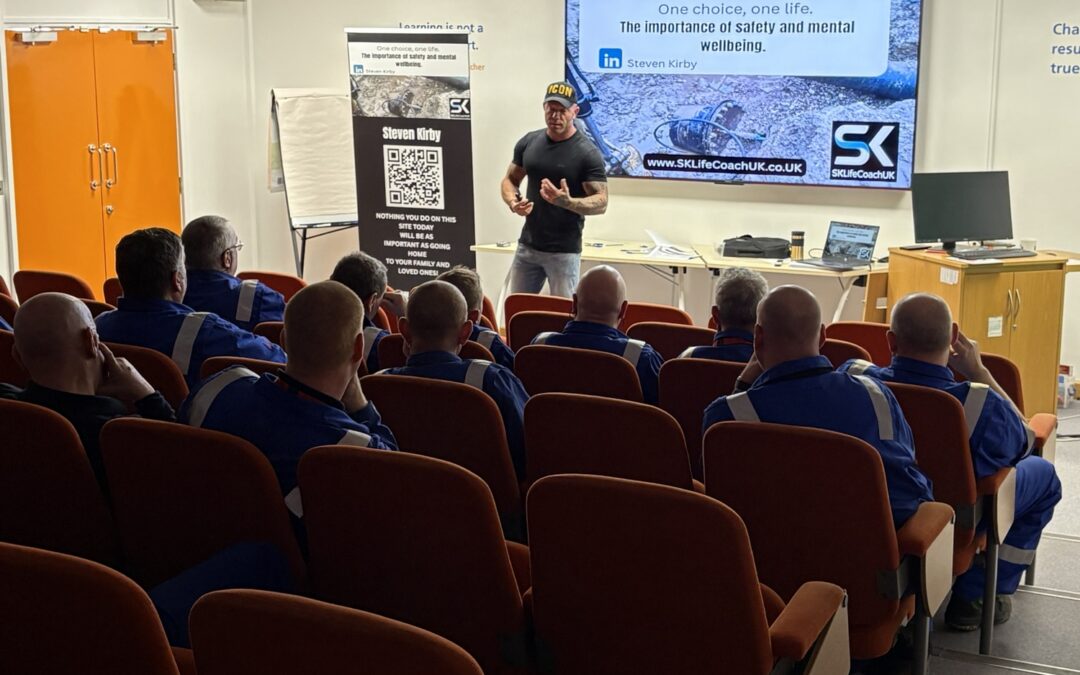
Today, as a safety and mental wellbeing speaker and trauma-informed coach, I work with organisations across Yorkshire, the UK and Europe to embed psychological safety into everyday practice. This is not about soft skills alone. It is about creating conditions in which people can perform at their best while looking after one another.
Practical steps that make a measurable difference include:
• Leaders modelling openness by acknowledging their own challenges and inviting feedback.
• Establishing clear channels for raising concerns without fear of reprisal.
• Integrating wellbeing discussions into toolbox talks and safety briefings.
• Providing structured coaching support for individuals navigating stress, recovery or return-to-work transitions.
• Measuring psychological safety alongside traditional safety metrics.
When people feel safe to speak, they protect themselves, their colleagues and the wider organisation. Safety culture strengthens. Mental wellbeing improves. Performance rises.
If your organisation is ready to move beyond compliance and build a culture of genuine care, I would be glad to discuss how keynote presentations, workshops or coaching programmes can support that journey.
One conversation can shift mindsets. One choice can protect a life.
Get in touch to explore how we can work together.
#PsychologicalSafety #WorkplaceWellbeing #SafetyCulture #MentalHealthAtWork #ConstructionSafety #Leadership #SKLifeCoachUK
